Is Pressure Cleaning Safe for Pavers in the Adelaide Hills?
@travisqnzi146
November 10, 2026 · 8 min read
Pressure cleaning is safe for pavers in the Adelaide Hills when it is done with the right pressure, nozzle, technique and follow-up care. Done poorly, it can etch the surface, wash out the jointing sand, loosen pavers and leave permanent striping. The Adelaide Hills has a cool, wet climate, mature trees, sloping blocks and a mix of paver materials, so these risks need to be managed carefully. This guide explains what makes pressure cleaning safe, what can go wrong, and how to protect your paving.
Why Pavers in the Adelaide Hills Need Regular Cleaning
Compared with the Adelaide plains, the Hills get more rainfall, cooler temperatures and more shade from established gardens and gum trees. Together these create ideal conditions for surface growth and staining on outdoor paving.
- Moss, algae and lichen: Shaded, damp pavers in suburbs and townships such as Stirling, Aldgate, Crafers, Mount Barker, Hahndorf and Uraidla are prone to biological growth, which makes surfaces slippery.
- Tannin stains: Leaves from gums, liquidambars, oaks and maples leave brown stains, especially in autumn.
- Weeds in joints: Moisture and organic debris in the joints encourage weeds and grass.
- Bushfire season debris: Ash, soot and fine dust can settle on paving and stain porous surfaces.
- Efflorescence: White, powdery salt deposits can appear on concrete and clay pavers after wet periods.
Left untreated, moss and algae are more than a cosmetic problem. They are a genuine slip hazard on steps, driveways and pool or patio surrounds, particularly on sloping Hills properties.
When Pressure Cleaning Is Safe for Pavers
Pavers are designed to handle weather and foot or vehicle traffic, and most types tolerate professional pressure cleaning. Safety depends on matching the method to the material and its condition.
Concrete Pavers
Concrete pavers are the most common type and are generally durable. However, the coloured surface layer can wear away if the pressure is too high or the nozzle is held too close. Older, weathered concrete pavers are more porous and need a gentler approach.
Clay and Brick Pavers
Clay pavers are dense and hold their colour well, but older or softer bricks can spall (flake) under excessive pressure. A moderate pressure and wide fan tip are usually recommended.
Natural Stone Pavers
Bluestone, sandstone, limestone, travertine and granite all behave differently. Limestone and sandstone are soft and porous and can be damaged easily, and acidic cleaners can etch limestone and travertine. Natural stone often calls for low-pressure or soft-wash methods and stone-safe detergents.
Porcelain and Outdoor Tiles
Porcelain pavers are very hard and low in porosity, so they clean easily. Their joints and bedding still need protection from high pressure, particularly where they are laid on pedestals or adhesive.
Risks of Pressure Cleaning Pavers
Understanding the risks is the best way to avoid them. The most common problems come from excessive pressure, wrong nozzles or inexperience.
- Surface etching and striping: A narrow, high-pressure jet can leave visible lines or a patchy "zebra" look that is difficult to correct.
- Loss of jointing sand: Blasting out the sand between pavers reduces interlock, which can lead to shifting, wobbling pavers and weed growth.
- Damage to the surface layer: Pressure that is too high can strip the pigmented top layer from concrete pavers, exposing rougher aggregate underneath.
- Water ingress: Forcing water under pavers can wash out the bedding sand or base, creating dips and uneven surfaces.
- Damage to sealers: Aggressive cleaning can strip or cloud existing sealers.
- Harm to surrounding plants: Runoff containing detergents or chemicals can affect garden beds, lawns and nearby waterways.
How to Pressure Clean Pavers Safely
The following approach reflects widely accepted industry practice for protecting paving while achieving a thorough clean.

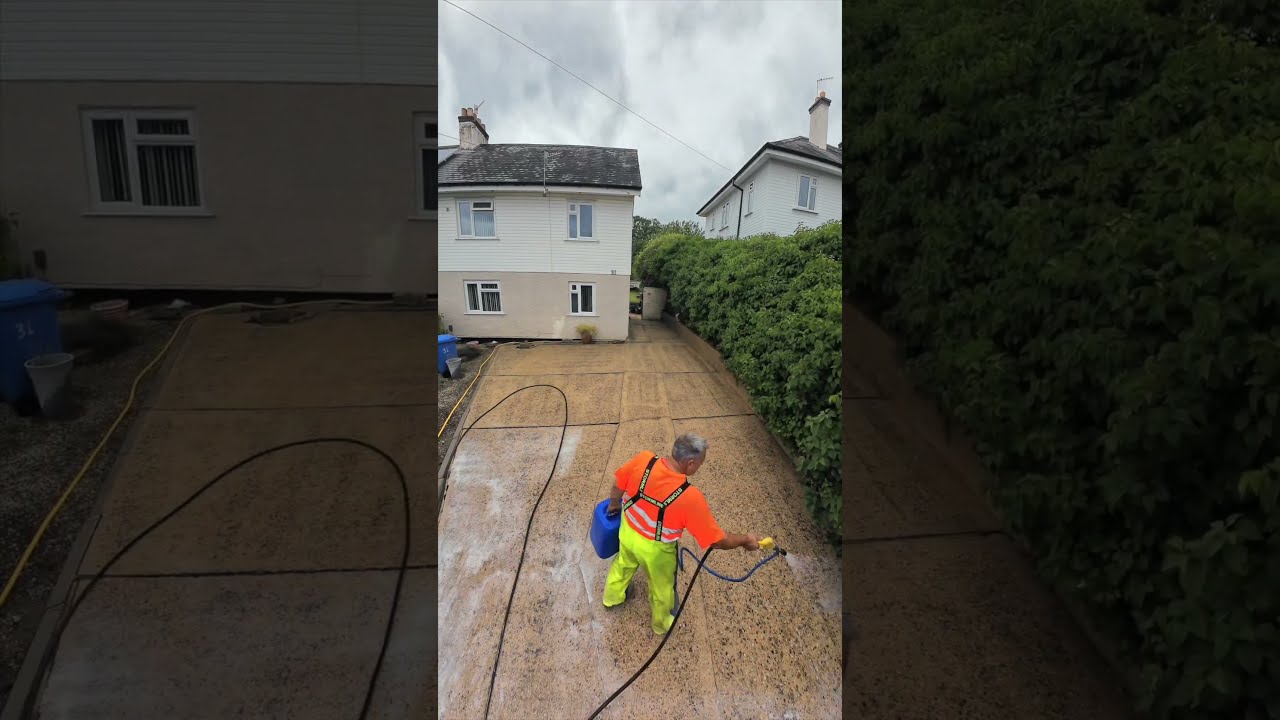
- Inspect the paving first. Check for loose, cracked or sunken pavers, failing joints and existing sealer. Identify the paver material.
- Test a small, inconspicuous area. This confirms the pressure and method will not harm the surface.
- Pre-treat biological growth. Apply a suitable algaecide or moss treatment and allow it to work, which reduces the pressure needed.
- Use appropriate pressure and nozzle. A wide fan tip or a surface cleaner attachment gives an even result and reduces the risk of striping. Keep the nozzle at a consistent distance.
- Work in consistent, overlapping passes. This avoids lines and uneven patches.
- Rinse thoroughly. Remove detergent residue and loosened debris.
- Re-sand the joints. Once the pavers are dry, sweep in kiln-dried jointing sand or a polymeric sand to restore stability.
- Consider sealing. A quality paver sealer can help resist stains, moss and fading.
Pressure Cleaning vs Soft Washing
Soft washing uses low pressure combined with specially formulated cleaning solutions to break down moss, algae and organic stains. It is often the better choice for delicate or porous surfaces, including natural stone, aged pavers and previously sealed areas. In the Adelaide Hills, where biological growth is the main issue, a combined approach is common: treat the growth with a low-pressure application, then use controlled pressure or a surface cleaner to rinse and finish the surface.
Local Considerations in the Adelaide Hills
Water Use and Runoff
Many Hills properties rely on rainwater tanks or have private water supplies, and some are close to creeks and catchment areas, including parts of the Mount Lofty Ranges watershed. Cleaning runoff should be managed so that detergents, sediment and contaminants do not enter stormwater drains or waterways. In South Australia, allowing pollutants to enter stormwater can breach environmental protection requirements under the Environment Protection Act 1993. Using biodegradable products, containing runoff and directing wastewater to lawn or garden areas where appropriate are good practice. Check with your local council or the EPA SA if you are unsure about requirements for your property.
Slopes and Steep Driveways
Steep driveways and terraced paving are common in the Hills. Cleaning on slopes creates slip risks for the operator, and wet pavers become especially slippery. Appropriate footwear, careful planning of the cleaning direction and anti-slip treatments after cleaning all help.
Bushfire-Prone Areas
Many Hills properties are in designated bushfire-prone zones. Keeping paved areas clean and free of leaf litter and debris around the home is a sensible part of fire preparation. Regular cleaning, together with removal of dry organic matter from joints, helps reduce fuel near the house.
Seasonal Timing
Late spring and summer usually provide the best conditions: pavers dry faster, sealers cure well and sand can be re-applied without delay. Cleaning in late autumn or winter is possible, but cool, damp conditions slow drying and make sealing difficult. Try to avoid cleaning just before extended wet weather if you plan to seal.
Should You DIY or Hire a Professional?
Hiring a hand-held pressure washer from a hardware store is tempting, but inexperienced use is the leading cause of damaged pavers. Consumer machines are often capable of pressures https://privatebin.net/?c92afa30801aeb5a#GCgY6T2xfb9rca8X2YSByqAmHUcyrvLY5vkQRM3kZ4JB that exceed what many pavers can handle, and the wrong nozzle can mark a surface in seconds.
A professional pressure cleaning service brings commercial equipment, surface cleaners, appropriate chemicals and the experience to adjust for each paver type. When choosing a provider in the Adelaide Hills, consider the following:
- Do they ask about your paver type and condition before quoting?
- Do they offer soft washing for delicate surfaces?
- Do they re-sand joints and offer sealing?
- Do they manage wastewater and runoff responsibly?
- Are they insured, and can they provide references or examples of previous work?
If you do decide to clean paving yourself, start with a gentle approach, such as a stiff broom, a mild detergent and low pressure, and test a hidden area first.
Maintaining Pavers After Cleaning
Cleaning is most effective as part of a regular maintenance routine. These steps help keep your pavers looking good and safe for longer:
- Sweep regularly to remove leaves and debris before they stain.
- Trim overhanging vegetation to increase light and airflow over shaded areas.
- Treat moss and algae early with a mild solution before heavy growth sets in.
- Top up jointing sand as needed to maintain paver stability.
- Reseal pavers when the sealer wears down, typically every few years depending on the product and exposure.
- Fix drainage issues so water does not pool on the surface.
Frequently Asked Questions
How often should pavers be pressure cleaned in the Adelaide Hills?
Most properties benefit from cleaning every one to two years. Heavily shaded areas, or properties surrounded by trees, may need more frequent attention, while sunny, open areas may need less.
Will pressure cleaning remove all stains?
Not always. Moss, algae and general dirt usually come off well, but deep tannin, rust, oil and paint stains can need specific treatments. Some stains penetrate porous pavers and may only be lightened rather than removed.
Can pressure cleaning make pavers look worse?
Yes, if the pressure is too high or the technique is poor. Pavers can look patchy, rough or striped. Using the right equipment and testing first greatly reduces this risk.
Is sealing necessary after cleaning?
Sealing is optional but recommended in many cases. It can enhance colour, help resist stains and slow regrowth of moss and algae. Choose a sealer suited to your paver type and the finish you want, such as natural, matte or wet look.
Final Thoughts
Pressure cleaning is a safe and effective way to restore pavers in the Adelaide Hills, provided the method suits the material, the pressure is controlled and the paving is properly cared for afterwards. Identify your paver type, choose a gentle method where needed, manage runoff responsibly and re-sand the joints once cleaning is finished. With regular maintenance, your paving can stay clean, safe underfoot and attractive for many years, well into 2027 and beyond.
Adelaide Pressure Cleaning Pros
70 Overland Rd, Croydon Park SA 5008
(08) 7228 0262